Prepare complex parts with less manual work.
Built for robotic, multi-axis and non-planar additive manufacturing.
Less manual preparation, from model to toolpath.
Start from your model
Load a 3D model and analyze its geometry for curvature, overhangs and features.
Conventional slicing when it fits
Use planar slicing for the regions where it is the right choice.
Non-planar toolpaths
Generate paths that follow curved surfaces instead of flat layers.
Multi-axis toolpaths
Produce 5- and 6-axis motion for robotic and multi-axis systems.
Part segmentation & region strategies
Decompose a part into regions and apply different strategies where they help.
Result visualization
Review the generated toolpath before continuing your workflow.
Four steps from part to toolpath.
-
01
Import the part
Load a 3D model to work from.
-
02
Analyze and segment the geometry
Decompose the part into regions for preparation.
-
03
Apply the required slicing strategies
Choose planar, non-planar and multi-axis strategies per region.
-
04
Generate and review the toolpath
Produce the toolpath and review it before export.
From research, to prototype, to industrial production.
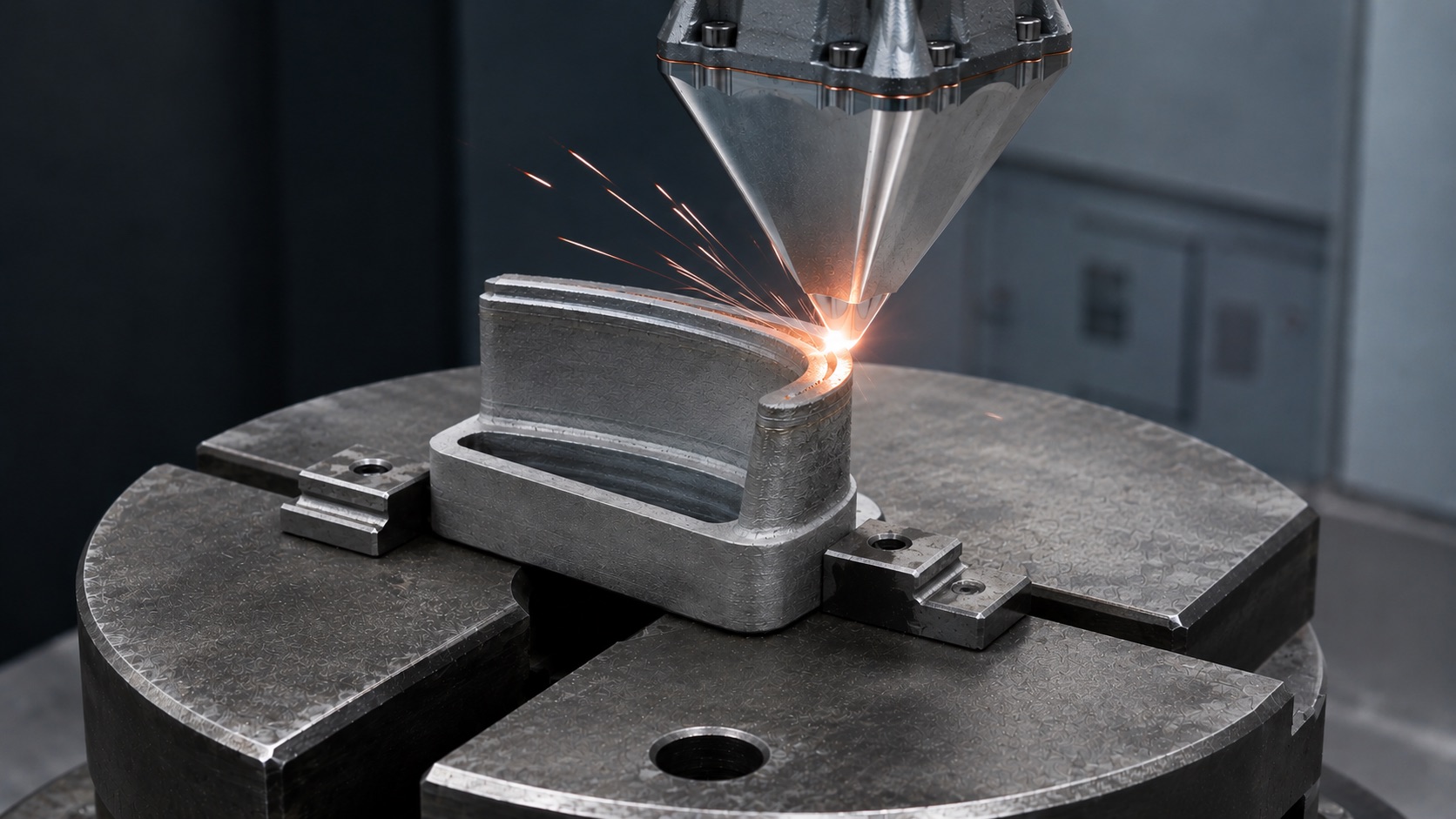
Wire-arc cladding for component repair
Robotic WAAM toolpaths for cladding worn industrial parts. Variable bead width, surface-following passes, fixturing-aware path planning.
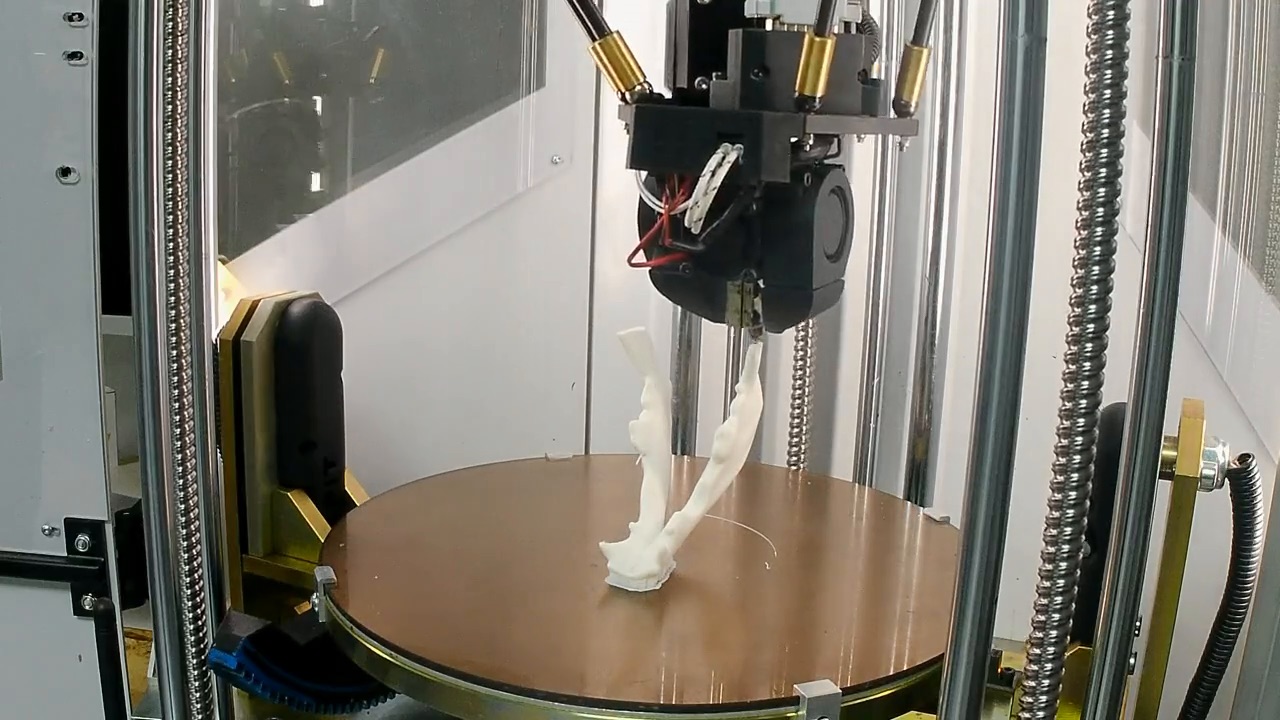
Patient-specific devices in flexible materials
Non-planar toolpaths for form-fitting medical devices with complex organic geometries. Print along body contours in TPU and elastomers.
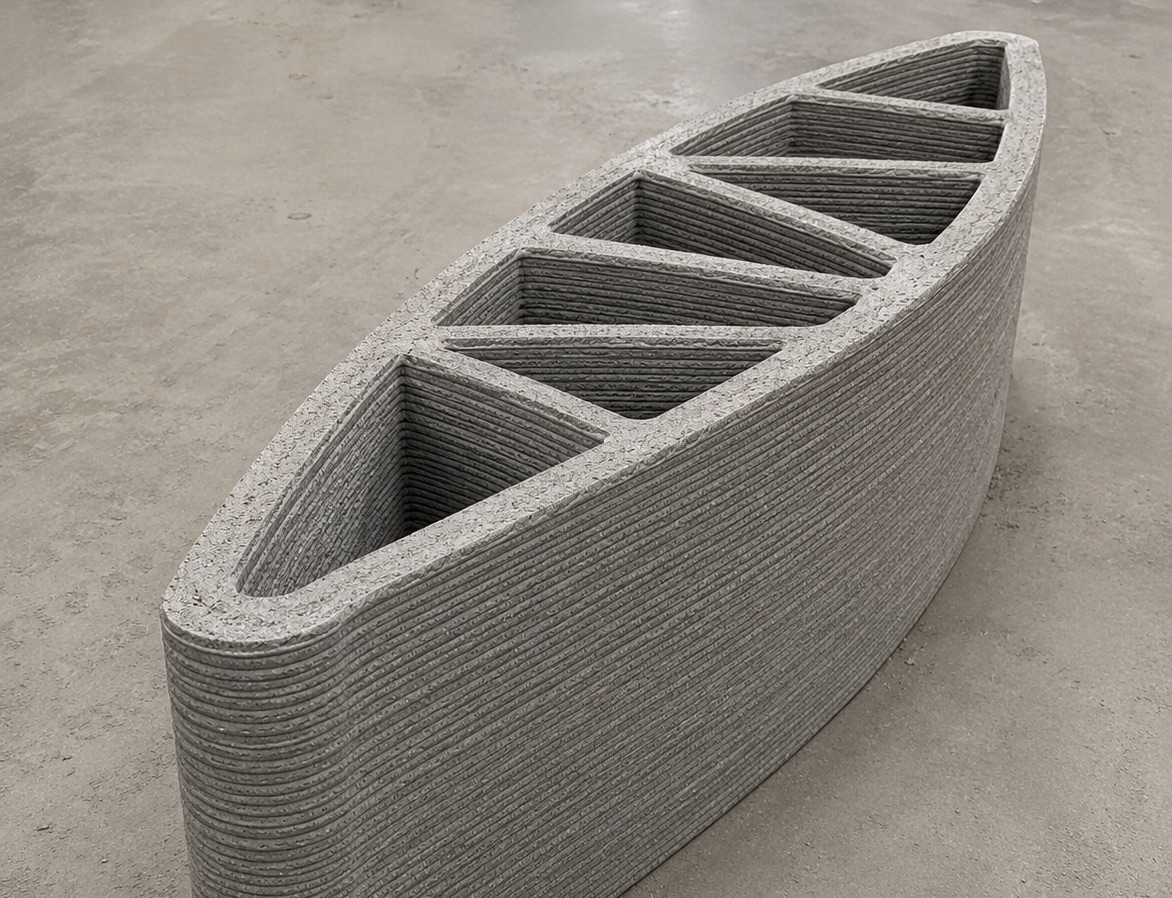
3D concrete printing at architectural scale
Layer-time-aware path planning, reinforcement-aware seam placement, multi-axis paths for non-planar walls.
Got a part your slicer can't handle?
Send us the file and the machine. We'll show you what Flexam Slicer produces.